




Portable Power Station Buying Guide for B2B Buyers (2026): Features, Technology & Sourcing Tips
As the portable power station market continues to grow across North America and Europe, product differentiation is increasingly driven by technology, performance, and safety standards.
For B2B buyers, understanding key product features — from battery chemistry to inverter capacity — is essential when selecting the right supplier and product line.
👉 Looking for advanced portable power station solutions?
Request a Quote | Explore Product Range
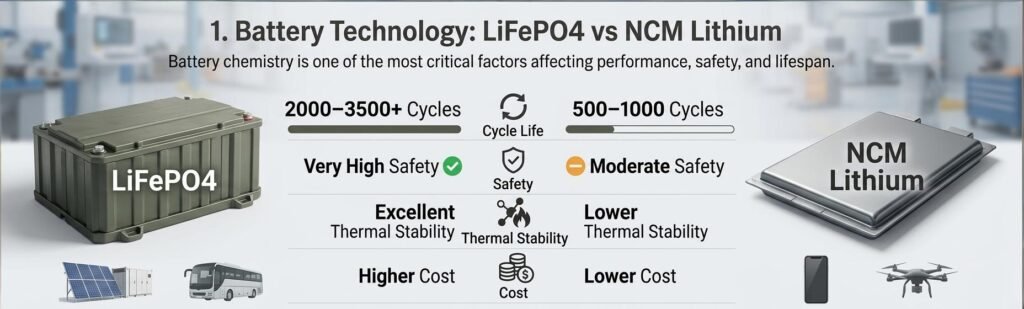
1. Battery Technology: LiFePO4 vs NCM Lithium
Battery chemistry is one of the most critical factors affecting performance, safety, and lifespan.
| Feature | LiFePO4 | NCM Lithium |
|---|---|---|
| Cycle Life | 2000–3500+ | 500–1000 |
| Safety | Very High | Moderate |
| Thermal Stability | Excellent | Lower |
| Cost | Higher | Lower |
Market Trend: LiFePO4 batteries are rapidly becoming the preferred choice in North America and Europe, especially for home backup and high-power systems.
👉 Learn more in our Complete Buyer’s Guide
2. Power Output & Inverter Technology
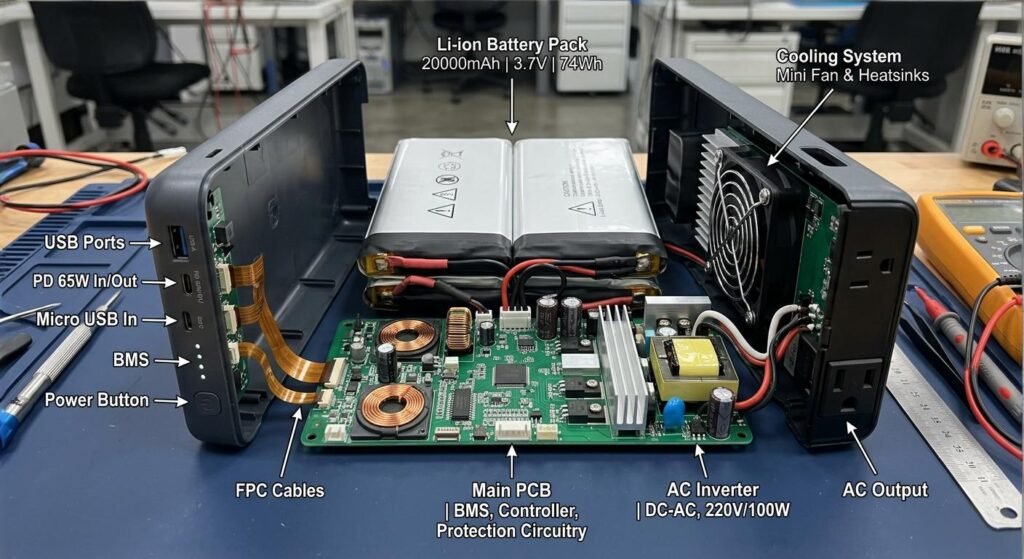
The inverter determines how effectively a portable power station can run appliances.
Key Specifications
- Rated Power (W)
- Peak Power (Surge)
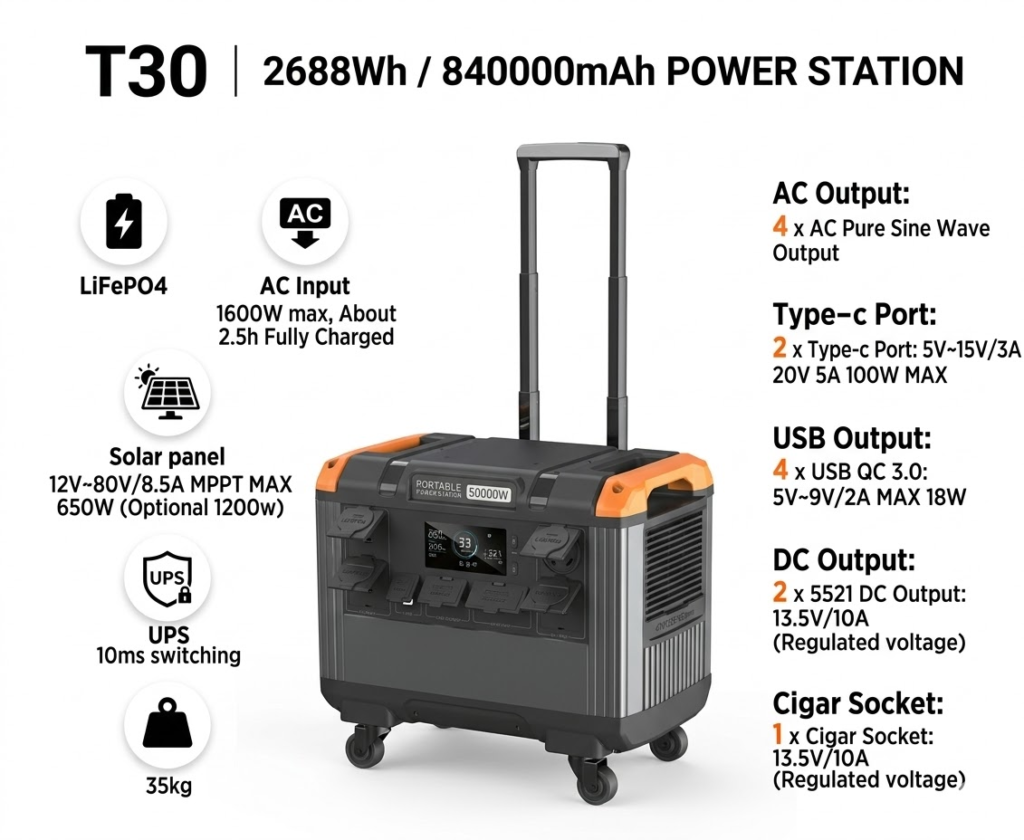
- Pure Sine Wave Output
Market Insight: 1000W–2000W models dominate the market, while 2000W+ systems are the fastest-growing segment.
👉 Need high-power solutions for your market?
Get a Custom Quote
3. Charging Technology & Speed
Fast charging is becoming a key selling point, especially in competitive European markets.
Charging Methods
- AC Fast Charging
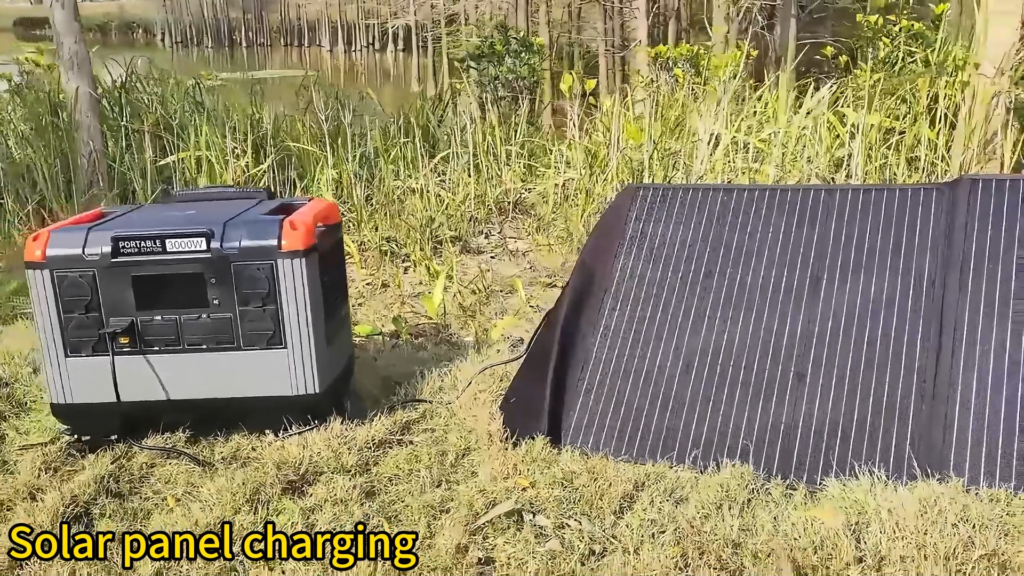
- Solar Charging (MPPT)
- Car Charging
Trend: Charging times under 2 hours are becoming industry standard, while solar integration demand continues to rise.
👉 See how charging impacts applications: Real-World Use Cases
4. Safety Systems & Certifications
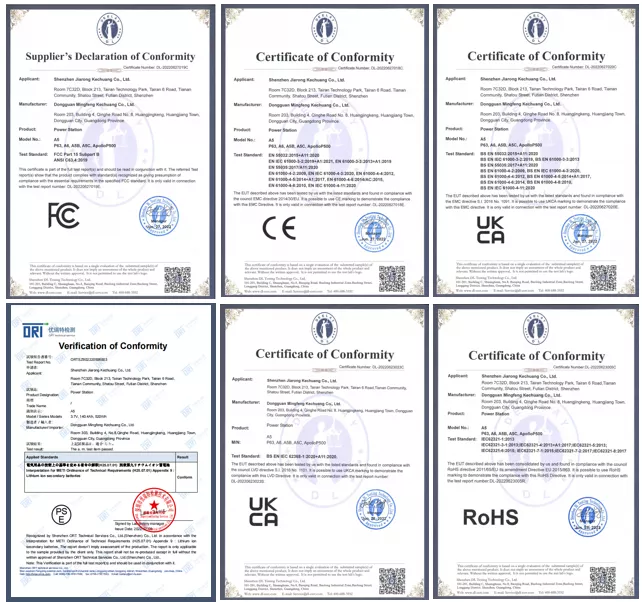
For North American and European markets, safety compliance is mandatory.
Safety Systems
- Battery Management System (BMS)
- Overload protection
- Temperature control
Certifications
- US: UL, FCC
- EU: CE, RoHS, EMC
👉 Learn about compliance requirements in our Market Insights
5. Design & Portability
Product design plays a key role in purchasing decisions, especially in European markets.
Key Factors
- Weight and size
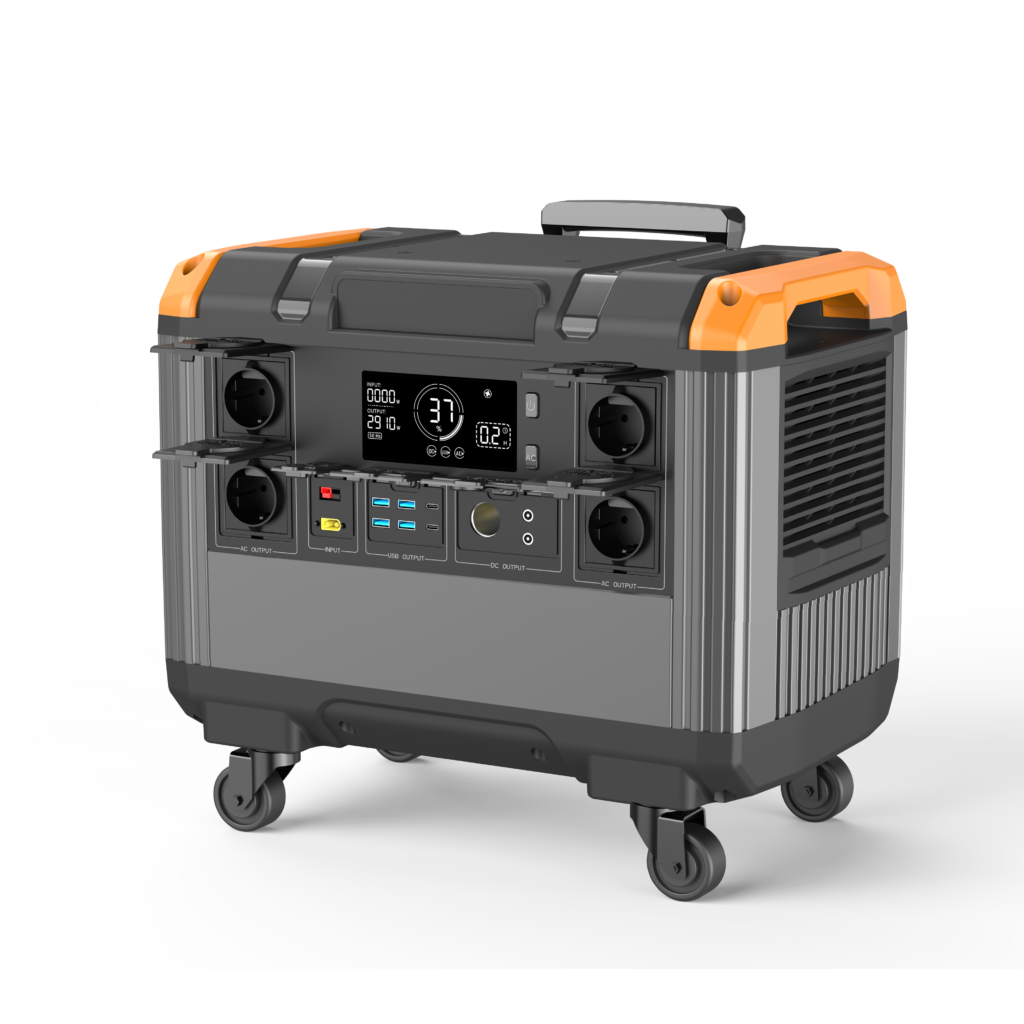
- Handles and wheels
- User interface (LCD screen or mobile app)
Trend: Smart control features and lightweight designs are becoming increasingly popular.
Conclusion
Portable power station technology is evolving rapidly, and B2B buyers must evaluate features such as battery type, power output, charging speed, and safety compliance.
Choosing the right combination of features can significantly impact your competitiveness in North America and European markets.
Looking for a Reliable Supplier?
At Linze Power, we specialize in manufacturing LiFePO4 portable power stations for global B2B clients, offering OEM and private label solutions.
- 200W–3000W product range
- OEM & private label support
- Global certifications (UL, CE, FCC)